
What it’s like living inside of a new modern sober apartment living. As compared to traditional sober houses.
Moving From a Traditional Sober Residence to a Sober Apartment
When people start searching for sober apartments, they are usually looking for a specific type of environment. Many people begin their recovery journey in a traditional sober residence. These are often large houses where ten or more people live together in a high density setting. While those environments provide a lot of initial support, they can also be very loud and crowded. Sharing a single kitchen and living room with a dozen other people can make it difficult to find any personal space.
The Benefit of Having Much More Space
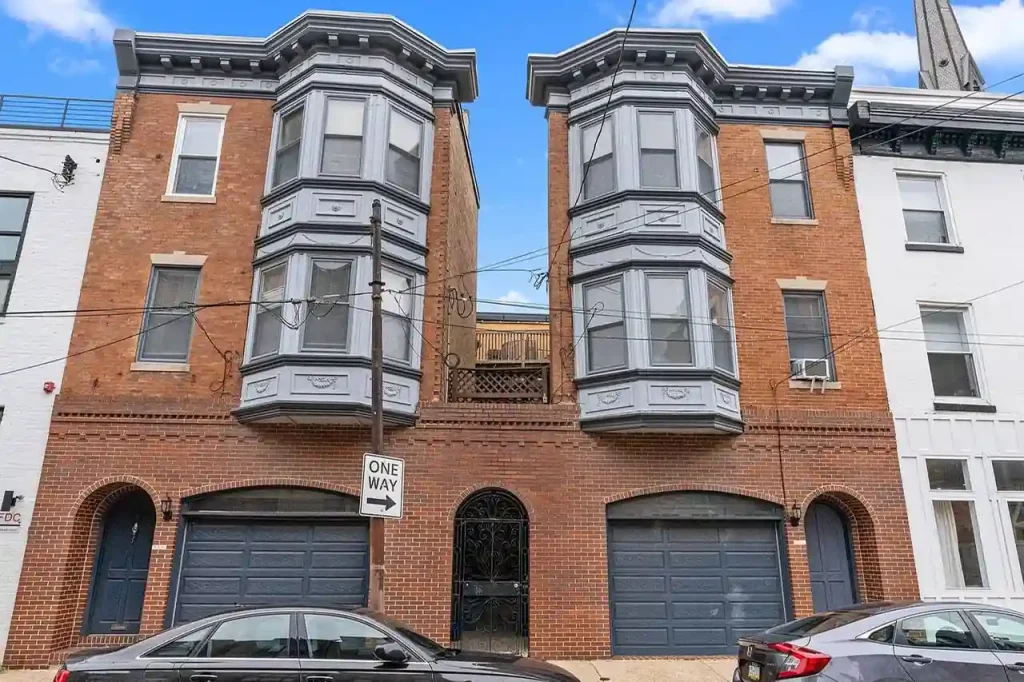
A major difference in a sober apartment is the physical layout. Instead of a massive group in one house, you are typically in a standard apartment unit. In this setup, you are sharing the kitchen and living room with only one other person. Having much more space than a traditional sober residence changes the way you handle your daily life.
When you only have one roommate, the common areas are much easier to manage. You can actually use the kitchen to cook a meal without waiting in line. You can sit in the living room and decompress without a constant crowd of people around you. This type of environment is often what people are looking for when they want to practice living a normal, independent life. It is about having the autonomy to manage a household while still staying in a drug and alcohol free zone.
Understanding the Separate Staff Apartment
A key feature of some sober apartment buildings is the physical boundary between your home and the program staff. In a traditional house, the staff members often live in the same unit or spend their entire shift in your living room. This can make it feel like you are always being watched or that your home is actually a clinic.
In the apartment model, there is often a separate apartment in the building where the staff stays. This is also where group meetings and other program activities typically take place.
- The Staff Unit: If you need to check in with a staff member or attend a scheduled group session, you go to their designated apartment.
- Your Apartment: Once the meeting or check-in is over, you go back to your own unit.
This separation is helpful for creating a mental boundary. It allows your apartment to be a private sanctuary where you can relax. You aren’t constantly surrounded by the “work” of recovery in your own living room. The staff is nearby if they are needed, but they are not a constant presence in your personal kitchen or lounge area.
Realistic Expectations for the Experience
It is important to have realistic expectations when searching for sober apartments. Like any apartment building, there are no guarantees of total silence. You still have neighbors and a roommate, so basic communication and respect are necessary. However, many people find that having much more space and a clear separation from the staff unit provides the breathing room they need.
Traditional sober residences serve a purpose, but they can be a lot to handle long term. Moving into an apartment style setup is often seen as a middle ground. You get the safety of a sober community and the proximity of support staff, but you also get the privacy and space of a real world apartment. It is a transition designed for people who are ready to take more responsibility for their own environment while still staying connected to a supportive network.
Moving From a Traditional Sober Residence to a Sober Apartment
When people start searching for sober apartments, they are usually looking for a specific type of environment. Many people begin their recovery journey in a traditional sober residence. These are often large houses where ten or more people live together in a high density setting. While those environments provide a lot of initial support, they can also be very loud and crowded. Sharing a single kitchen and living room with a dozen other people can make it difficult to find any personal space.
The Benefit of Having Much More Space
A major difference in a sober apartment is the physical layout. Instead of a massive group in one house, you are typically in a standard apartment unit. In this setup, you are sharing the kitchen and living room with only one other person. Having much more space than a traditional sober residence changes the way you handle your daily life.
When you only have one roommate, the common areas are much easier to manage. You can actually use the kitchen to cook a meal without waiting in line. You can sit in the living room and decompress without a constant crowd of people around you. This type of environment is often what people are looking for when they want to practice living a normal, independent life. It is about having the autonomy to manage a household while still staying in a drug and alcohol free zone.
Understanding the Separate Staff Apartment
A key feature of some sober apartment buildings is the physical boundary between your home and the program staff. In a traditional house, the staff members often live in the same unit or spend their entire shift in your living room. This can make it feel like you are always being watched or that your home is actually a clinic.
In the apartment model, there is often a separate apartment in the building where the staff stays. This is also where group meetings and other program activities typically take place.
- The Staff Unit: If you need to check in with a staff member or attend a scheduled group session, you go to their designated apartment.
- Your Apartment: Once the meeting or check-in is over, you go back to your own unit.
This separation is helpful for creating a mental boundary. It allows your apartment to be a private sanctuary where you can relax. You aren’t constantly surrounded by the “work” of recovery in your own living room. The staff is nearby if they are needed, but they are not a constant presence in your personal kitchen or lounge area.
Realistic Expectations for the Experience
It is important to have realistic expectations when searching for sober apartments. Like any apartment building, there are no guarantees of total silence. You still have neighbors and a roommate, so basic communication and respect are necessary. However, many people find that having much more space and a clear separation from the staff unit provides the breathing room they need.
Traditional sober residences serve a purpose, but they can be a lot to handle long term. Moving into an apartment style setup is often seen as a middle ground. You get the safety of a sober community and the proximity of support staff, but you also get the privacy and space of a real world apartment. It is a transition designed for people who are ready to take more responsibility for their own environment while still staying connected to a supportive network.