Twenty-one years sober here, and sober living was my lifeline after treatment. I scoured non-commercial corners of the internet, raw threads on Reddit, SoberRecovery, and Bluelight, for unfiltered stories from residents. No glossy ads, just people sharing what worked, what bombed, and why. These homes range from lockdown strict to creative havens, each suiting different recovery stages. Pick based on your baggage, supports, and goals. Below, detailed breakdowns from forum wisdom.
1. Co-ed Sober Homes
Co-ed homes mix men and women under one roof, creating a diverse family dynamic. Residents handle shared cooking, cleaning rotations, and evening check-ins, often with house meetings to air grievances. Forum users on r/stopdrinking describe it as practice for real-world relationships, helping folks rebuild social skills without romantic pitfalls, managers enforce no-fraternization rules strictly. One poster shared how group hikes built trust across genders, easing the loneliness of early sobriety.
That said, drama flares up often, like jealousy over kitchen time or whispered crushes. Women especially note safety measures like separate bathrooms matter. It shines for extroverts craving community, but introverts might feel overwhelmed. Long-term residents say it fosters maturity faster than single-gender spots.
2. Traditional Sober Living
Traditional homes stick to proven routines: daily chores, curfews around 10pm, and required attendance at 12-step meetings. Bedrooms sleep two to four, with a live-in manager overseeing drug tests and job hunts. SoberRecovery threads are packed with stories of how this structure mimics military discipline, perfect for those fresh out of rehab who default to chaos. A common win: accountability buddies who call you out on slips before they snowball.
Critics call it cookie-cutter, with burnout from endless meetings. Yet vets swear by the habits it instills, like budgeting rent from part-time gigs. It fits rule-followers rebuilding from rock bottom, especially if you need external guardrails to stay on track.
3. Oxford House Model
Oxford Houses operate on pure democracy, residents elect officers, set house rules, and vote out slackers via majority. No paid staff; everyone chips in for rent and utilities equally. Reddit’s r/OxfordHouses lights up with tales of empowerment, like groups pooling cash for a shared van to meetings. The model demands maturity since leases are in residents’ names, forcing skin in the game.
Phase-outs happen fast for relapsers, which forums say keeps standards high but stings the ejected. Success stories highlight lifelong bonds formed over late-night recovery shares. Ideal for self-starters tired of babysitters, thriving in collaborative setups.
4. Sober Apartments
Sober living apartments offer private or semi-private units in a building where everyone signs a sobriety contract. Oversight is minimal, maybe monthly tests and quiet hours, with no mandatory meetings. Bluelight users love the autonomy, describing solo evenings journaling or gym runs without roommate noise. Complexes often have shared laundry and BBQs for optional socializing.
The flip side: Forum advice stresses seeking out neighbor units for coffee chats more often. It suits mid-stage recovery folks with jobs, craving normalcy over house-mom vibes.
5. Pet-Friendly Sober Living
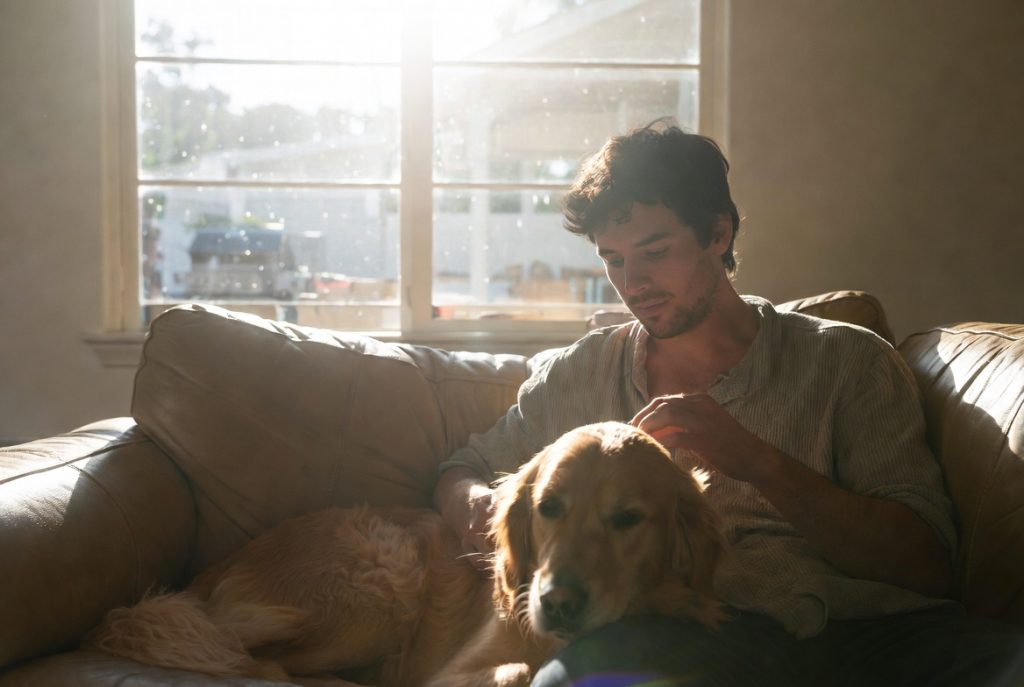
Pet-friendly homes welcome cats and dogs as recovery allies, with rules like leashes and waste stations. Residents walk pups together, turning routines into bonding. r/stopdrinking posts overflow with gratitude for furry motivators, pets demand feeding over using, anchoring chaotic days. One thread detailed a golden retriever easing panic attacks during cravings.
Limits exist, like no aggressive breeds, and extra cleaning duties. Allergies can complicate things, per forums. It transforms for animal lovers whose pets were pre-sobriety lifelines.
6. LGBTQ Sober Living
LGBTQ homes seek to create judgment-free zones, typically offering homes with staff who may better understand the LGBTQ community and recovery. Therapy referrals may better address unique traumas. SoberRecovery’s LGBTQ section shares how these spots typically better validate identities ignored elsewhere, with rules prioritizing emotional safety over blind structure.
Some note higher turnover from life transitions, but bonds run deep. This style of recovery home tends to empower through chosen family. Crucial for those navigating sobriety plus minority stress.
7. Religious Sober Living
Religious houses blend recovery with faith practices, morning prayers, scripture studies, church vans. Christian ones dominate forums, but Jewish and Muslim variants exist. Bluelight alums describe surrendering to a higher power as the missing puzzle piece, with work ethics tied to stewardship. Shared meals often include grace.
Non-believers feel sidelined, per posts, and dogma clashes arise. It clicks for the spiritually hungry seeking purpose beyond steps.
8. SMART Recovery Homes
SMART recovery homes teach tools like CBT worksheets, role-playing cravings, and goal-setting circles, no God talk required. Residents track progress in journals shared weekly. Reddit threads praise the logic for science-minded folks, with fewer relapses from practical skills over powerlessness mantras.
It lacks the emotional catharsis of steps for some, but empowers self-reliance. Forums recommend for atheists or burnout victims from traditional paths.
9. Dual-Diagnosis Sober Living
Dual-diagnosis spots pair sobriety with mental health support, psychiatrists on speed dial, mood-tracking apps, DBT groups. Rules flex for med schedules. Forum stories highlight catching bi-polar spirals early, with staff trained in de-escalation. Shared experiences normalize co-occurring struggles.
Intensity varies, but it beats ignoring the brain chemistry. Tailored for those where addiction masks deeper issues.
10. Super Strict Sober Homes
Super strict homes enforce breathalyzers at doorways, 5am wake-ups, and sponsor call logs. No visitors, minimal phones. SoberRecovery grads liken it to jail-with-purpose, forging unbreakable discipline, one post detailed a year in leading to steady employment.
It crushes spirits if you’re not desperate enough; forums warn of resentment-fueled quits. Short stints for hardcore resets.
11. Relaxed Sober Living
Relaxed homes skip tests for trust, with open doors post-8pm and optional meetings. Focus on jobs and hobbies. r/stopdrinking users call it sustainable, preventing rebellion against overkill rules, one redditor shared thriving via yoga circles.
Risk of complacency lurks, so self-motivation rules. More often reports of drug or alcohol usage on premises, increasing the risk of relapse multiple fold.
12. Musical or Creative Sober Homes
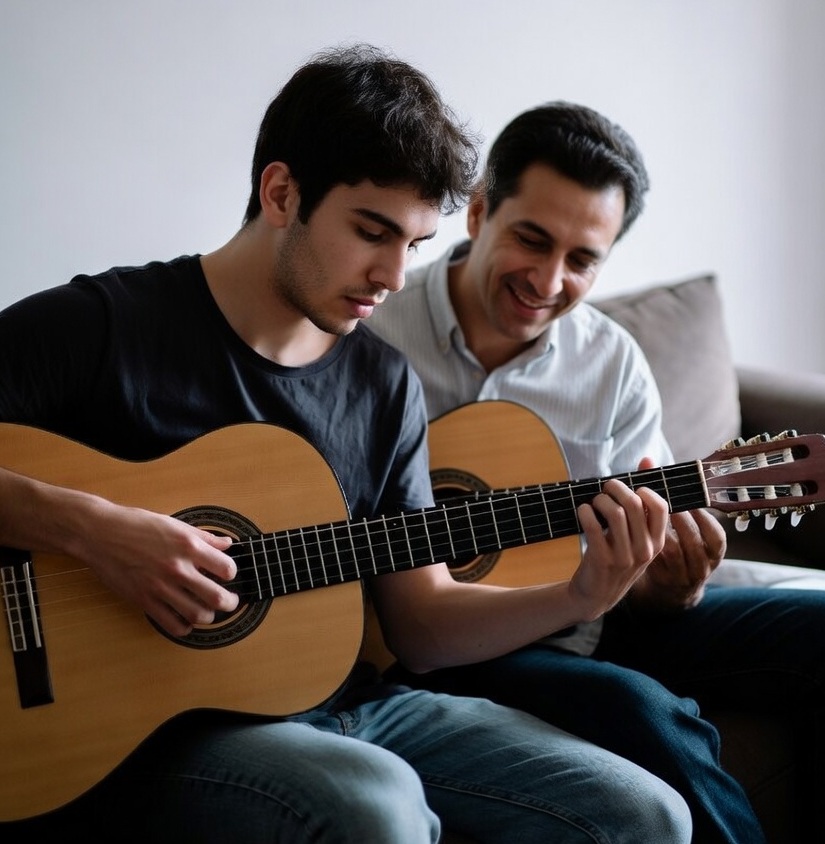
Musical homes host open mics, drum circles, art studios channeling urges into creation. Forums from musician recoveries describe songs replacing booze anthems, with sober gigs booked collectively. Rare, often volunteer-run.
Distraction from main goal. May fizzle without pre-existing musical passion; structure-light suits artists needing outlets over lectures.
Summary: Finding Your Sober Living Fit
From co-ed families to creative jams, these types reflect recovery’s diversity, forums prove no perfect house, just the right mismatch avoided. Start with your needs (pets? faith? privacy?), visit two or three, read recent reviews. My 21 years prove commitment trumps the setup. You’ve got this, one day, one choice at a time.