The landscape of recovery housing is shifting, moving beyond the familiar model of communal homes towards a more nuanced, privacy-focused approach. While traditional sober living houses, often large residences housing a dozen or more individuals, have long been a cornerstone of post-treatment support, a newer trend is gaining momentum: the sober living apartment. This evolution reflects a growing understanding that the path to lasting sobriety requires not just a drug-free environment, but also the space and autonomy to practice independent living skills in a setting that mirrors real-world conditions.
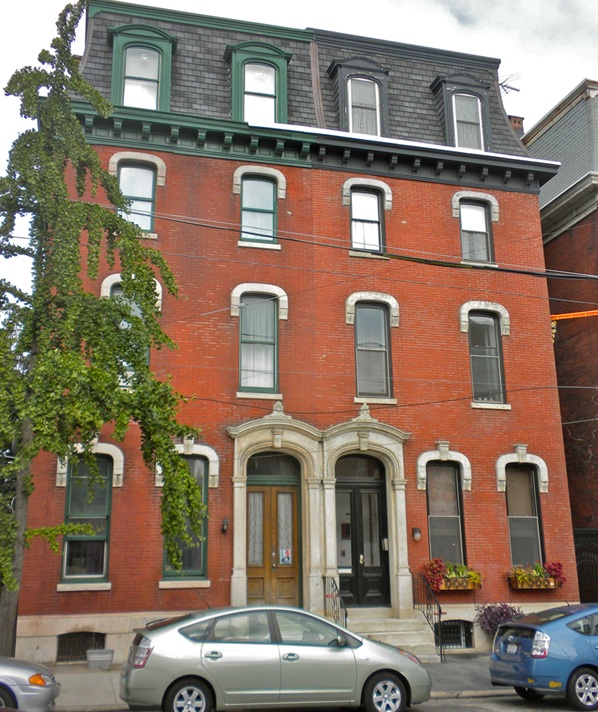
A fundamental difference lies in the physical environment and the resulting sense of personal space. In a traditional house, life is intensely communal. Residents share a single kitchen, one or two bathrooms, and common living areas with many others, which can feel overwhelming, crowded and offer little room for solitude. Sober living apartments, by contrast, typically place residents in a standard unit, often sharing only a kitchen and living room with one or two roommates. Ideally then there is an optional communal space in a separate unit, like for example is the layout with Sober Apartments of America This significant reduction in density allows for a quieter, more manageable daily routine, where cooking a meal or simply relaxing in the evening doesn’t require navigating a crowded house.

This change in layout fosters a crucial psychological shift: the creation of a personal sanctuary. In the apartment model, the resident’s unit becomes a true private space, a place to decompress and rebuild a sense of self. This is further enhanced by a common separation between the living area and program operations. Staff often have a designated unit or office within the building for meetings and check-ins, rather than living in the same space as residents. This physical boundary helps residents mentally separate their “home” from the “work” of recovery, making their apartment feel less like a clinical setting and more like their own home.
The apartment style is designed as a bridge to full independence. It provides the safety net of a sober community and the accountability of regular drug testing and house meetings, but it also demands a higher degree of personal responsibility. Residents manage their own unit’s cleanliness and schedule, navigating roommate dynamics on a smaller scale. This environment is ideal for individuals who have completed an initial phase of treatment and are ready to practice the skills of independent living, like managing household tasks and personal time, within a supportive framework, rather than a highly structured, dorm-like setting.
While both models should emphasize peer support and accountability, one should hope, the apartment model may cultivate a different kind of community. The interactions are more intimate, forged through smaller shared spaces and organized social events, rather than the constant, unavoidable contact of a large house. This can be less draining and more conducive to forming deeper, more authentic connections. It encourages residents to build a sober social life that feels sustainable and normal, preparing them for life after formal recovery housing.
“The apartment style is designed as a bridge to full independence.”
~Sober Apartments of America
The rise of this model may speak to a more personalized approach to recovery. It acknowledges that not everyone thrives in a high-density environment and that for many, the journey back to a fulfilling life requires the dignity of privacy and the practical experience of managing a personal household. Sober living apartments represent a middle ground, offering the security of a supportive network while empowering individuals to reclaim their autonomy, one private kitchen and quiet evening at a time.
If you enjoyed that tid bit, read more about this specific topic here!